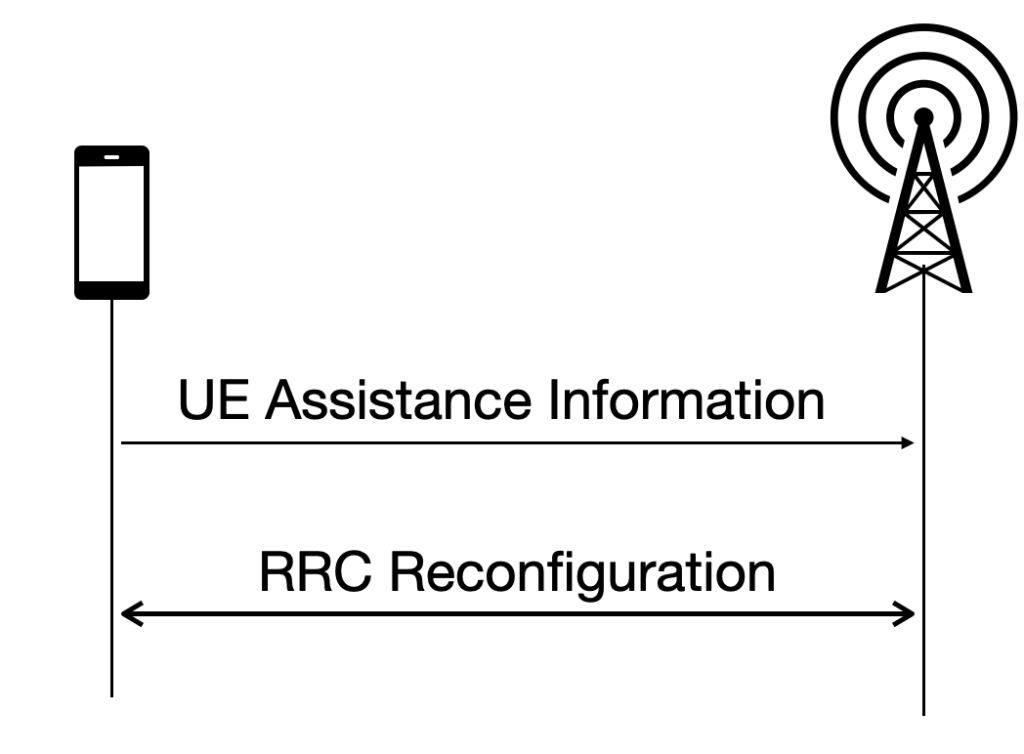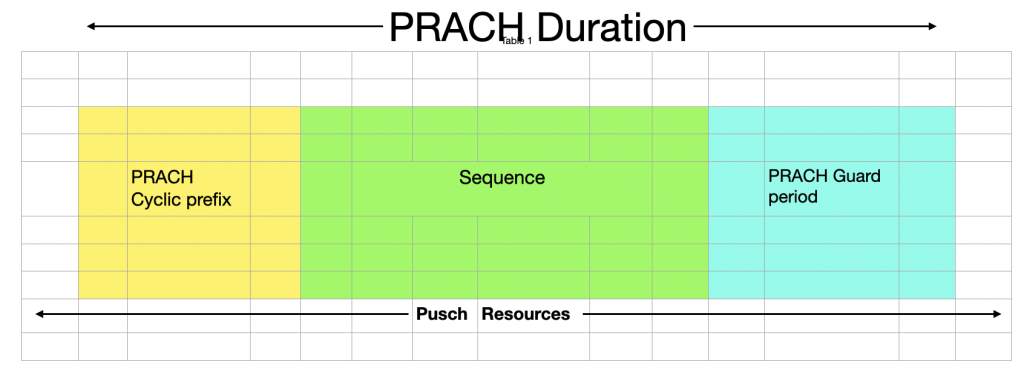


SRS – Sounding reference signal is an uplink reference signal helps to gNB estimate the uplink channel, but there is DMRS which does same thing then why we need an additional one for similar purpose?
DMRS versus SRS:
The channel in the PRBs designated for PUSCH exclusively is calculated with the aid of DMRS. gNB computes the channel conduction in the resources that DMRS and PUSCH share, but this is insufficient for gNB to provide a comprehensive picture of the entire uplink channel.
For example, gNB is unable to support channel-based scheduling and the appropriate MCS to utilize, and it is unsure about the optimal uplink channel, the number of layers, and the antenna ports to be used based on DMRS.
ex: DDDSUDDDSU
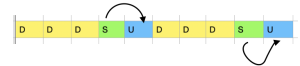
Location of SRS in the channel bandwidth:
SRS spans the entire channel bandwidth. It spans all 273 PRBs(for FR1 – 100MHz) and requires minimum of 4 symbols to 6 symbols maximum in each slot.
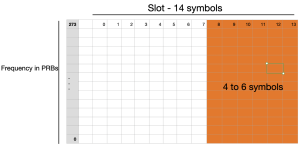
The primary drawback of this is as SRS being distributed over the entire bandwidth which mostly affects UEs located at the cell boundary, where they lack the power to reach gNB because the power UE has should be distributed evenly among all PRBs. but the time these signals reach gNB results are not accurate/proper to estimate the radio channel conditions.
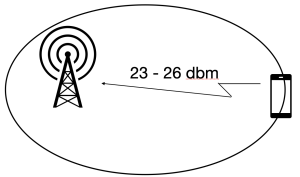
Any UE generally transmit power in uplink around 23-26dbm but in this case as UE in cell edge to send SRS this power need to be distributed across full channel bandwidth.
Frequency hopping:
This is the way to counter the cell edge situation where the UE sends a few PRBs at different time domain for sending SRS rather than using the entire bandwidth. its like using part of bandwidth instead of using full.
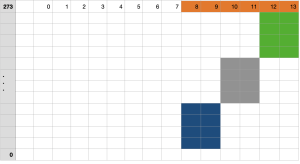
gNB configures these different time slots to UE so that it will share complete information about all the SRS information from each antenna, There is always some delta between no of antennas for uplink and downlink direction. one of the most usual configuration can be like below
gNB: will have 4 Rx antennas
UE: will have 2 SRS antenna
UE: will have 4 Rx antennas
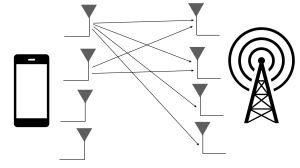
from UE side only 2 antennas are being used tx and rx but for gNB to get full channel information it will configure timeslots to share or to change the antenna so that it can estimate the channel through the shared information.